
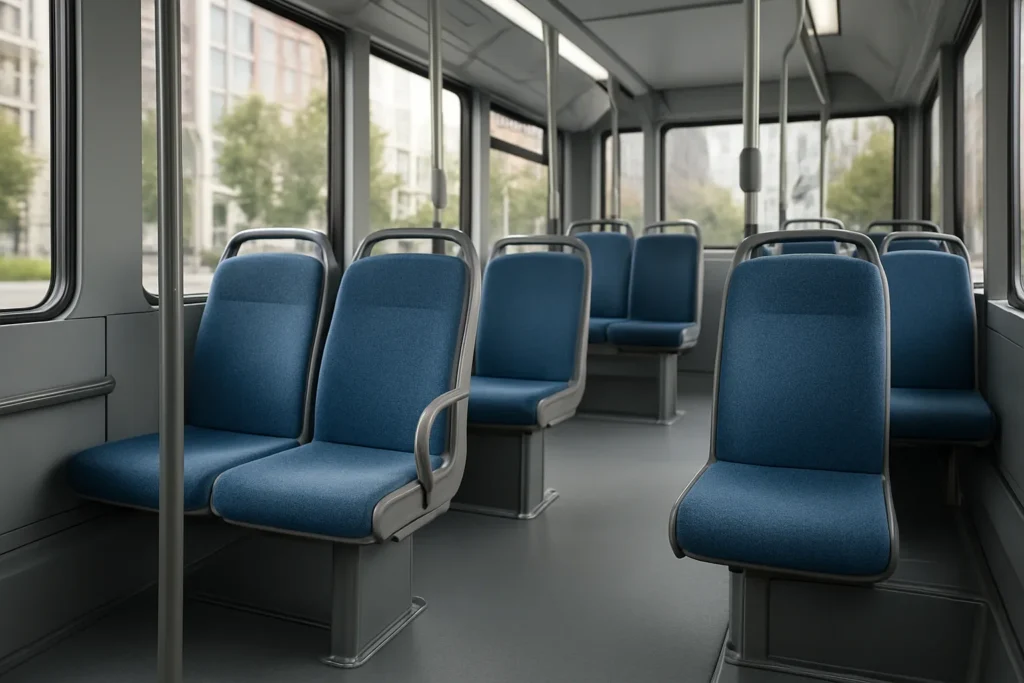
Transforming Urban Public Transportation with Modular Bus Seating Solutions
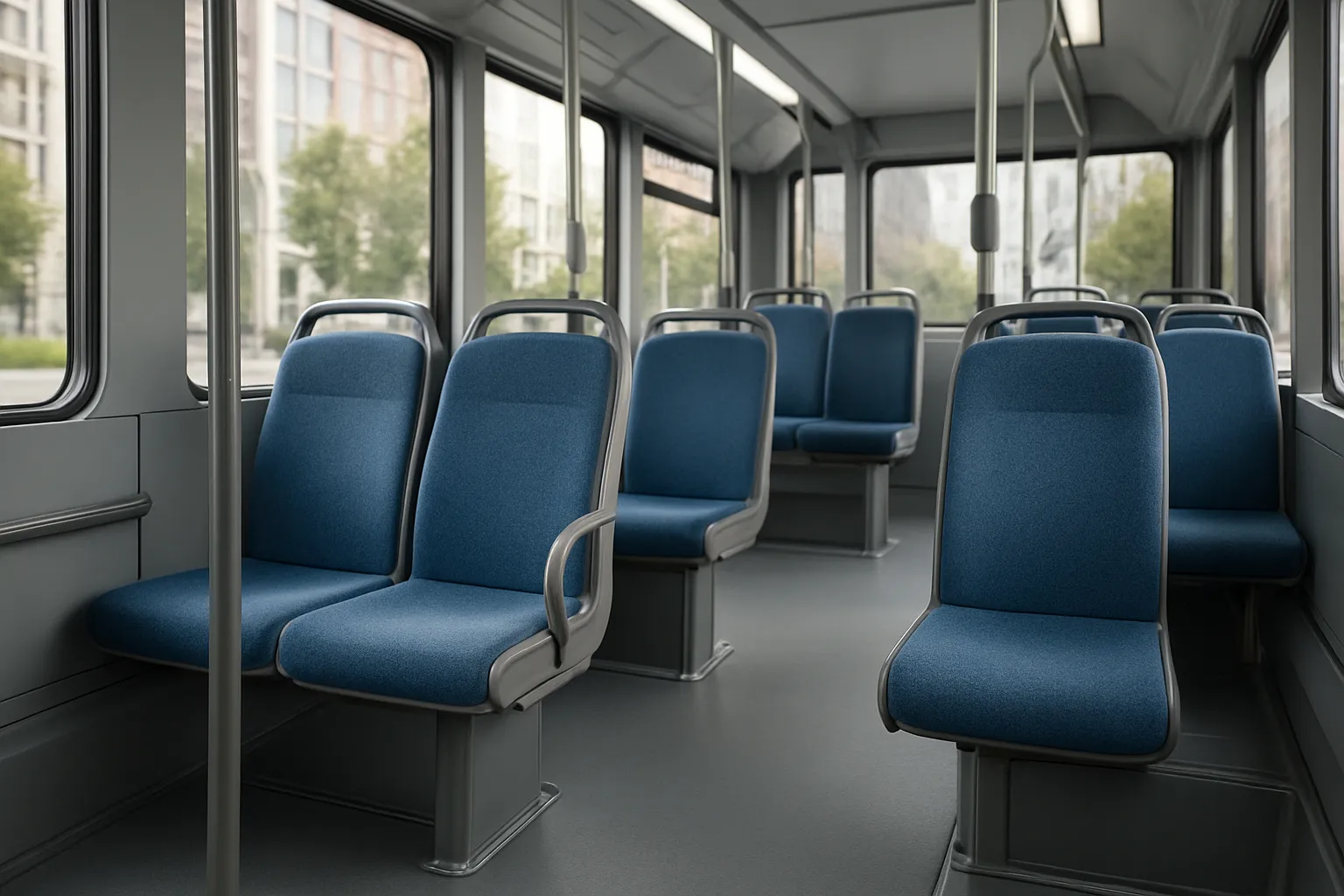
Urban public transportation is a critical aspect of city infrastructure, enabling millions of passengers to commute daily. In this context, Modular Bus Seating Systems have emerged as a groundbreaking solution that combines flexibility with efficiency. These systems are crafted not only to improve the passenger experience but also to tackle the specific challenges faced by urban transit authorities. As cities expand and adapt, the role of innovative seating solutions in urban public transport becomes increasingly significant.
Specifications of Modular Bus Seating Systems
Modular Bus Seating Systems are defined by their robust specifications, designed to withstand the demanding conditions of urban transit.
- Material and Durability: Typically constructed from high-quality materials such as reinforced plastics, aluminum, and durable fabrics, these seating systems are built to endure heavy usage and harsh weather. The longevity of these materials not only extends the life of the seating but also reduces the need for frequent replacements.
- Design Flexibility: A standout feature of modular seating is its adaptability. Bus operators can customize layouts to accommodate different passenger loads, integrate standing areas, or create dedicated spaces for passengers with disabilities. This flexibility is essential for optimizing space and enhancing passenger comfort.
- Safety Standards Compliance: Safety is a top priority in urban public transportation. Modular Bus Seating Systems adhere to strict safety standards, ensuring they meet or exceed regulatory requirements. Features such as secure anchoring systems and fire-resistant materials significantly enhance passenger safety, making these systems a reliable option for urban transport authorities.
Use Cases in Urban Public Transportation
The advantages of Modular Bus Seating Systems have been demonstrated in various urban settings.
- Case Studies of Successful Implementations: Cities like London and New York have successfully integrated modular seating solutions into their fleets, resulting in improved passenger flow and satisfaction. For example, London’s double-decker buses have utilized modular seating to create flexible configurations that can be adjusted according to demand.
- Benefits for Different Types of Urban Transport: The versatility of modular seating allows it to be used across various modes of urban transport, including buses, trams, and shuttles. This adaptability enables transport authorities to standardize seating solutions, simplifying maintenance and sourcing of parts.
- User Experience Enhancements: Passengers enjoy increased comfort and accessibility with modular seating. Features like ergonomic designs and adjustable layouts contribute to a more pleasant travel experience, encouraging higher usage of public transport.
Comparisons with Traditional Seating Solutions
When comparing Modular Bus Seating Systems to traditional seating options, several key differences become apparent.
- Cost Analysis: Although the initial investment in modular seating may be higher, the long-term savings due to reduced maintenance and increased durability often outweigh these upfront costs. Moreover, the flexibility of modular systems allows for cost-effective adjustments to seating configurations as passenger needs change.
- Maintenance and Longevity: Traditional seating often requires more frequent maintenance and replacement, leading to increased operational costs. In contrast, the durable materials and design of modular seating systems ensure a longer lifespan, thus reducing repair costs.
- Passenger Comfort and Accessibility: Traditional seating can be rigid and less accommodating for diverse passenger needs. Modular systems, with their customizable designs, enhance comfort and accessibility, making public transport more inclusive for all users.
Sourcing Modular Bus Seating Systems
When considering the procurement of Modular Bus Seating Systems, several important factors must be evaluated.
- Key Manufacturers and Suppliers: Leading manufacturers like Lantal Textiles and KAB Seating provide a variety of modular solutions tailored for urban transport. Partnering with reputable suppliers ensures access to high-quality products and reliable support.
- Factors to Consider When Sourcing: Evaluating factors such as material quality, design options, compliance with safety standards, and the supplier’s reputation is crucial. Additionally, reviewing past projects and client testimonials can offer valuable insights into a supplier’s reliability.
- Pricing Models and Budgeting: The pricing for modular seating solutions can vary significantly based on customization and material choices. Transport authorities should develop a comprehensive budget that accounts for initial costs, potential savings in maintenance, and the long-term advantages of enhanced passenger experience.
Implementation Strategies
Successfully implementing Modular Bus Seating Systems requires meticulous planning and execution.
- Planning and Design Considerations: Urban transport authorities should engage in thorough planning to determine the most effective seating configurations for their specific needs. This may involve consultations with design experts and an analysis of passenger flow patterns.
- Installation Process Overview: The installation of modular seating can usually be completed within a short timeframe, minimizing downtime for buses. A well-coordinated installation process ensures that vehicles are back in service quickly, maintaining operational efficiency.
- Training for Staff and Maintenance: It is crucial to provide training for staff on the unique features and maintenance of modular seating systems. This ensures that personnel can effectively manage the new systems and address any issues that may arise.
FAQs about Modular Bus Seating Systems
As interest in Modular Bus Seating Systems grows, several common questions arise.
- Common Questions and Misconceptions: Many potential buyers wonder about the real benefits of modular systems compared to traditional seating. Addressing these misconceptions through case studies and data can help clarify the advantages.
- Support and Warranty Information: Most reputable manufacturers offer warranties and support services, ensuring that urban transport authorities have access to assistance when needed.
- Future Trends in Bus Seating Solutions: The future of bus seating solutions is likely to include innovations such as smart seating that adjusts based on passenger needs, further enhancing the modular concept.
Conclusion
In conclusion, Modular Bus Seating Systems offer a wide range of benefits for urban public transportation. Their durability, flexibility, and compliance with safety standards make them an optimal choice for modern transit authorities aiming to enhance passenger experience while improving operational efficiency. As cities continue to expand and evolve, investing in these innovative seating solutions will be essential. Urban transport authorities are encouraged to explore the advantages of modular systems and consider integrating them into their fleets for a more sustainable and user-friendly public transportation experience. For more detailed information on modular bus seating, refer to this industry reference that provides insights into the latest developments.