
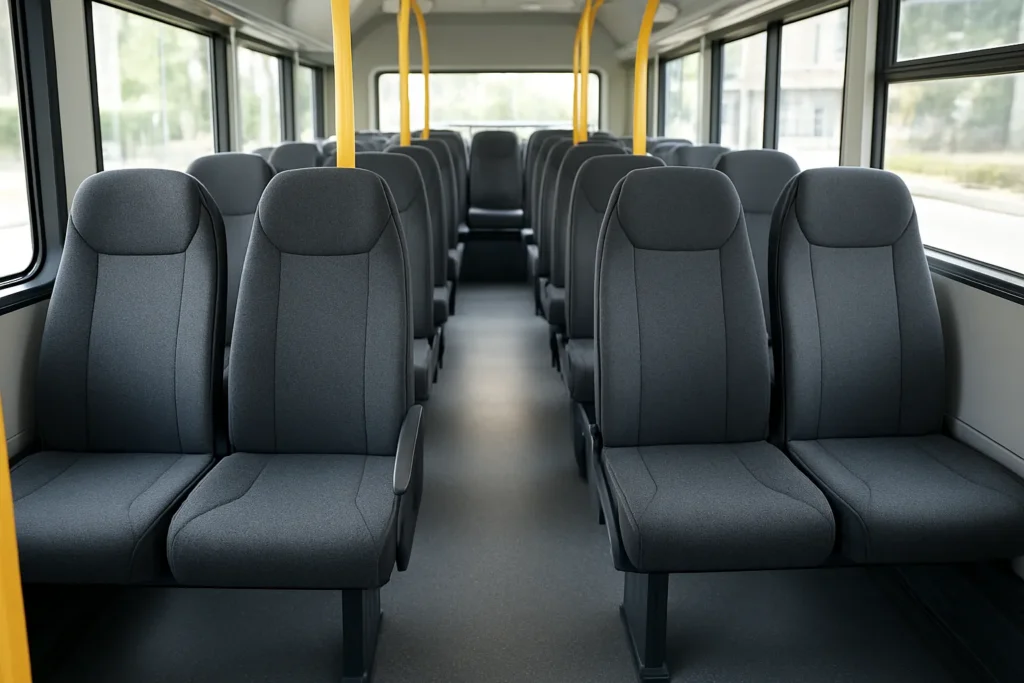
Choosing Ergonomic Bus Seats for Enhanced Passenger Comfort
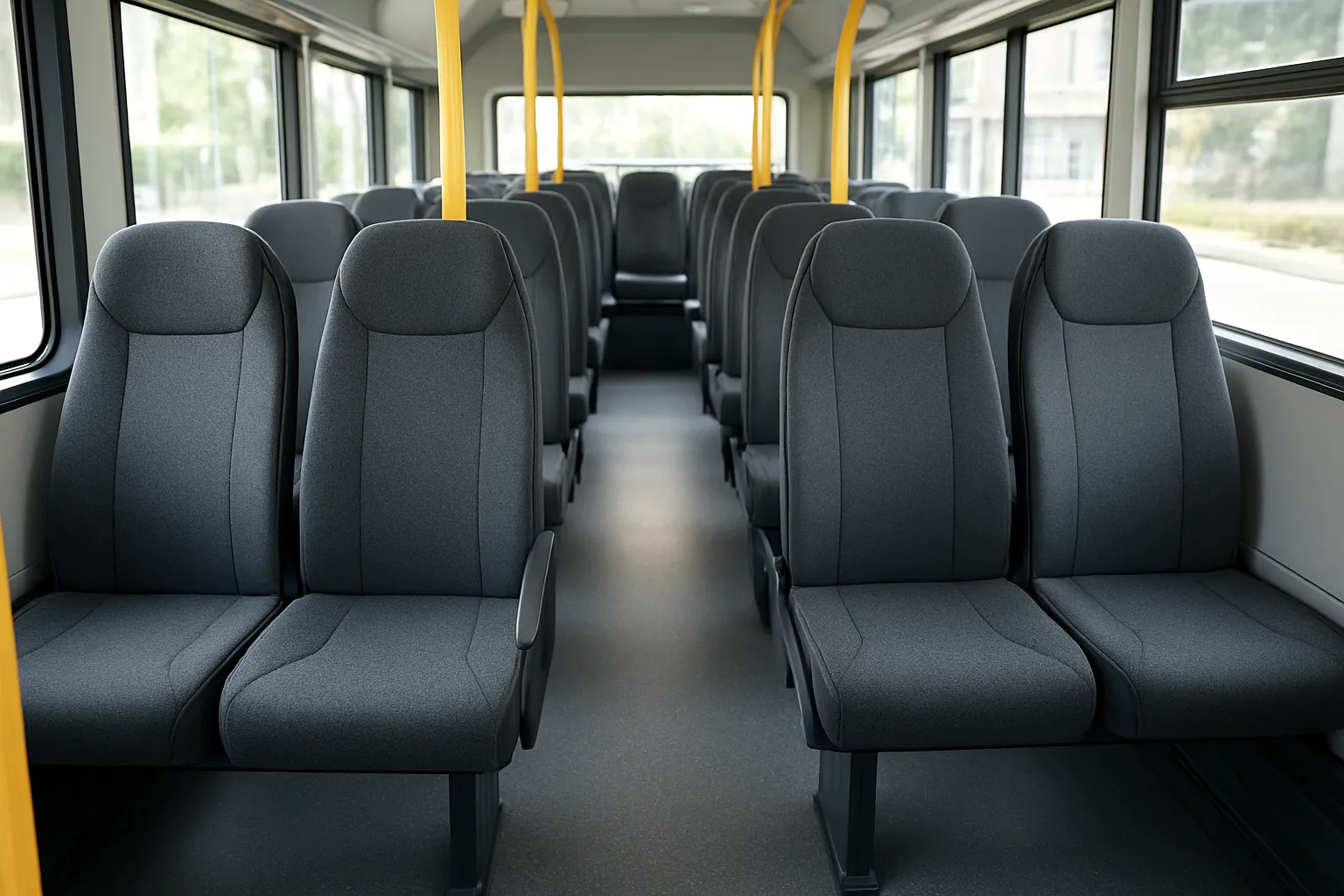
In the world of public transportation, ensuring passenger comfort is not just a luxury; it is a necessity. As bus operators and fleet managers work diligently to elevate the travel experience, the choice of ergonomic bus seats has become a pivotal consideration. These seats are meticulously designed to offer not only comfort but also to nurture the overall well-being of passengers throughout their journeys. By implementing ergonomic design principles, these seats can effectively diminish discomfort and fatigue, allowing travelers to arrive at their destinations rejuvenated.
Key Specifications of Ergonomic Bus Seats
When evaluating ergonomic bus seats, a few key specifications should be closely examined to ensure optimal comfort and safety.
Material Considerations
The choice of materials in bus seat construction is crucial for passenger comfort. High-quality foam padding, breathable fabrics, and durable upholstery are essential for creating a pleasant seating experience. Moreover, materials that are easy to clean and maintain can significantly extend the lifespan of the seats. In my experience, investing in quality materials pays off in the long run.
Dimensions and Adjustability
Ergonomic bus seats should cater to a diverse range of passengers by incorporating varying dimensions. Features such as reclining backrests and extendable footrests can enhance comfort for individuals of different heights and body types. It’s also vital to ensure that the seats adhere to industry standards for size and spacing, which can maximize passenger comfort.
Safety Features
Safety is paramount when selecting ergonomic bus seats. Essential features include sturdy seat belts, reinforced frames, and fire-resistant materials. These characteristics not only comply with regulatory requirements but also instill confidence in passengers regarding their safety while traveling. I believe that prioritizing safety can significantly enhance a bus operator’s reputation.
Use Cases for Ergonomic Bus Seats
Ergonomic bus seats serve a multitude of applications across various transportation sectors, each with its unique requirements.
Public Transportation
In urban environments, public transit buses often run for extended hours. Comfortable seating can lead to increased ridership and higher customer satisfaction. Ergonomic seats can help alleviate the fatigue associated with daily commutes, making a noticeable difference in the overall travel experience.
Long-Distance Travel
For long-distance travel, such as intercity buses, the demand for comfort is heightened. Passengers expect a relaxing environment during lengthy journeys, making ergonomic bus seats indispensable. Features like lumbar support and ample cushioning can greatly enhance the travel experience for those on extended routes.
Specialized Services (e.g., Tour Buses)
Tour buses often cater to travelers seeking comfort during sightseeing adventures. Ergonomic bus seats can significantly improve this experience, allowing passengers to enjoy the scenery without discomfort. Additionally, these seats can be tailored to meet specific needs, such as providing extra legroom for taller passengers.
Comparing Ergonomic Bus Seats
When selecting ergonomic bus seats, conducting a thorough comparison is essential to find the best fit for your fleet.
Brand Comparisons
Many brands offer ergonomic bus seats, each presenting unique features. Researching and comparing these brands can yield insights into which options provide the best comfort and durability for your specific needs.
Price vs. Quality Analysis
While budget considerations are crucial, it’s important to strike a balance between price and quality. Investing in higher-quality ergonomic seats can lead to lower replacement costs and improved passenger satisfaction over time. From what I have seen, this investment often pays dividends.
Customer Reviews and Feedback
Examining customer reviews can offer invaluable insights regarding the comfort and performance of various ergonomic bus seats. Testimonials from other operators can inform decisions and highlight potential issues that may not be apparent during initial evaluations.
Sourcing Ergonomic Bus Seats
Finding the right supplier for ergonomic bus seats is a critical step in the procurement process.
Finding Reliable Suppliers
Conducting a thorough search for reputable suppliers is essential. Look for manufacturers with a proven track record in producing high-quality ergonomic seating solutions. Attending trade shows and industry events can also help in identifying reliable sources.
Evaluating Manufacturer Credentials
Before making a purchase, it’s important to evaluate the credentials of the manufacturer. Certifications, industry awards, and customer testimonials can provide insight into the reliability and quality of the products offered.
Bulk Purchase Considerations
When outfitting an entire fleet, bulk purchasing can lead to substantial cost savings. Negotiating bulk pricing and understanding warranty options can further enhance the value of your investment in ergonomic bus seats.
Implementation of Ergonomic Bus Seats
Once the ergonomic bus seats have been sourced, proper implementation is vital for maximizing their benefits.
Installation Process
The installation of ergonomic bus seats should be carried out by professionals to ensure compliance with safety standards and manufacturer guidelines. Proper installation can prevent future issues and ensure durability.
Maintenance and Care
Regular maintenance is essential to keep ergonomic bus seats in optimal condition. This includes cleaning upholstery, checking for wear and tear, and ensuring that all adjustable features are functioning properly.
Training for Staff on Usage
Training staff on the proper use and maintenance of ergonomic bus seats is crucial. Educating drivers and support personnel on the benefits and features of the seats can enhance passenger comfort and satisfaction.
Frequently Asked Questions
What Makes a Seat Ergonomic? An ergonomic seat is designed to support the natural posture of the body, reducing strain on muscles and joints. Key features include lumbar support, adjustable components, and high-quality cushioning.
How Do Ergonomic Seats Improve Comfort? Ergonomic seats improve comfort by promoting better posture and reducing pressure points. This leads to a more enjoyable travel experience, especially during long journeys.
Are Ergonomic Seats Worth the Investment? Investing in ergonomic bus seats is often worthwhile, as they can enhance passenger satisfaction, reduce complaints, and lead to increased ridership over time.
In conclusion, selecting ergonomic bus seats is a critical step in enhancing passenger comfort and satisfaction. By prioritizing key specifications, understanding use cases, and sourcing from reliable suppliers, bus operators can significantly improve the travel experience for their passengers. Ultimately, investing in ergonomic seating can lead to a more successful and customer-friendly transportation service. For further insights on ergonomic bus seats, refer to this industry reference.