
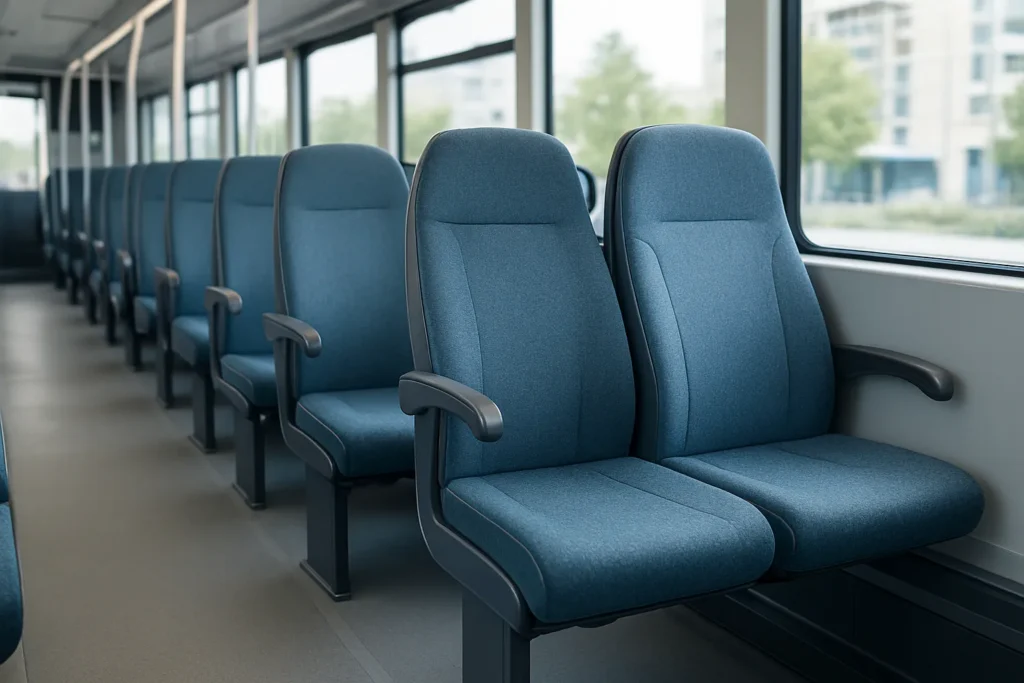
Enhancing Passenger Comfort with Adjustable Public Transport Seats
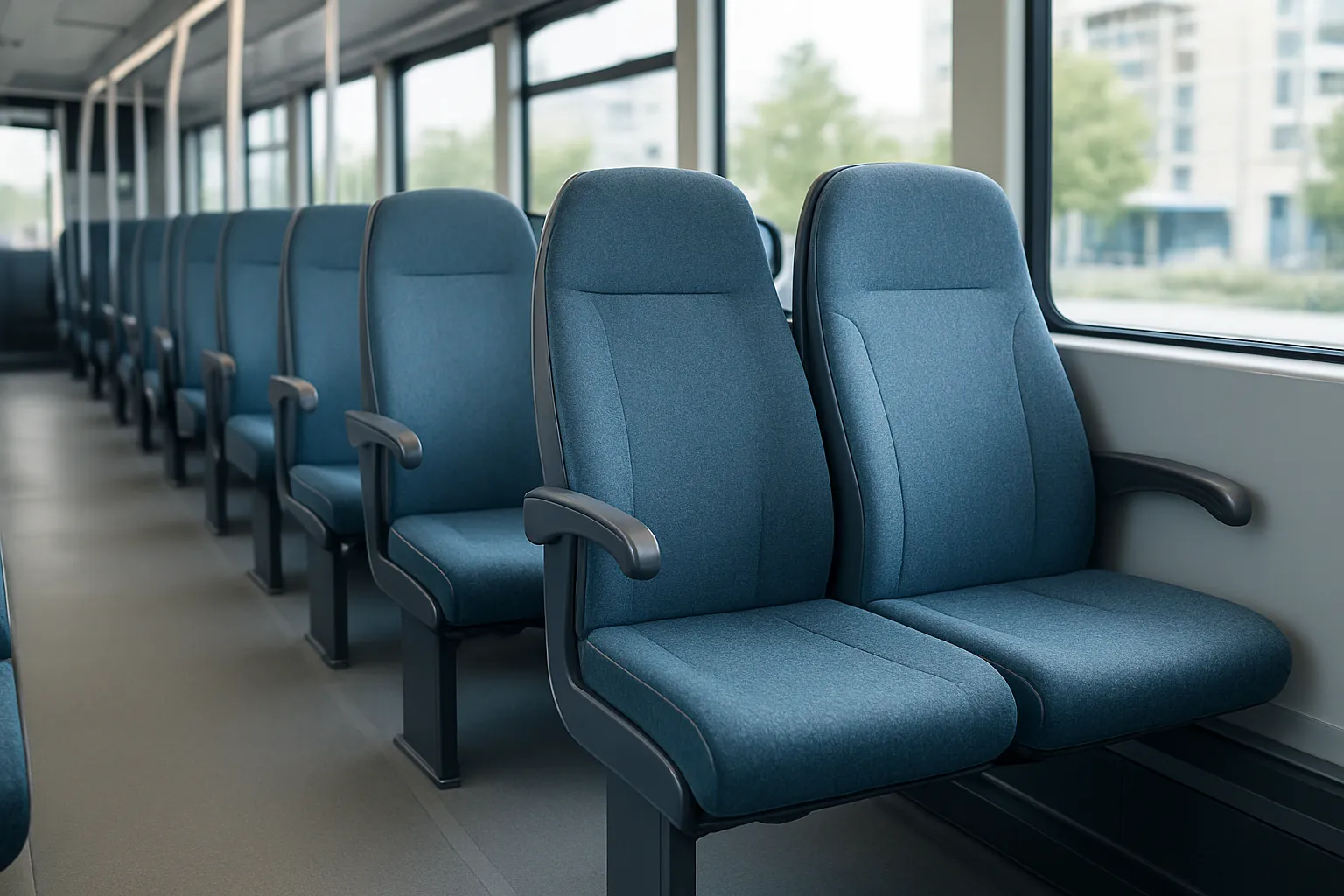
In today’s fast-paced world, the significance of passenger comfort in public transport is more crucial than ever. With urban populations on the rise and commute times extending, ensuring a comfortable and enjoyable travel experience is essential for transit authorities and service providers. One innovative solution that has gained traction in enhancing passenger satisfaction is the implementation of adjustable public transport seats. These seats not only cater to individual needs but also foster a more accommodating environment for all passengers.
Adjustable public transport seats are engineered to adapt to various body types and preferences. By offering customizable seating options, public transport providers can significantly elevate the overall passenger experience, leading to higher satisfaction rates and increased ridership.
Specifications of Adjustable Public Transport Seats
When considering adjustable public transport seats, several key specifications come into play:
- Material and Design Features: The materials used in these seats are pivotal for durability and comfort. High-quality fabrics, foam padding, and sturdy frames ensure that the seats can endure daily wear and tear while providing a pleasant seating experience. Ergonomic designs that support the natural posture of passengers are also fundamental, as they help reduce fatigue during longer journeys.
- Mechanisms for Adjustment: The adjustment mechanisms can vary significantly between models. Some seats feature manual levers or knobs that allow passengers to modify their seating position. Others may offer electronic controls for more precise adjustments. This flexibility enables passengers to quickly find their preferred seating position, enhancing comfort during travel.
- Safety Standards Compliance: Adhering to safety standards is non-negotiable in public transport. Adjustable seats must meet stringent safety regulations to ensure passenger security. This includes features such as secure anchoring systems, fire-resistant materials, and adherence to weight limits, which are all vital for maintaining a safe travel environment.
Use Cases of Adjustable Public Transport Seats
Adjustable public transport seats find applications across various transit scenarios:
- Urban Transit Systems: In bustling metropolitan areas, adjustable seats can significantly enhance the passenger experience by accommodating diverse body types and preferences. This flexibility is particularly beneficial during peak hours when transit vehicles are often crowded.
- Long-Distance Travel: For long-distance buses and trains, adjustable seating can make a substantial difference in passenger comfort. The ability to recline or adjust seat depth allows travelers to relax, reducing discomfort during extended journeys.
- Special Needs Accommodations: Adjustable seats also play a critical role in providing accessibility for passengers with special needs. Features such as height adjustment and additional support can cater to individuals with mobility challenges, ensuring that public transport is inclusive for all.
Comparison with Traditional Seating Options
When comparing adjustable public transport seats to traditional seating options, several factors highlight their advantages:
- Comfort Levels: Adjustable seats provide a higher level of comfort compared to static seating. By allowing passengers to modify their seating position, they can alleviate discomfort and enhance the overall travel experience.
- Space Utilization: While traditional seats often occupy a fixed amount of space, adjustable seats can be designed to maximize space efficiency. Their ability to fold or slide can create more room for passengers, especially during peak travel times.
- Maintenance Considerations: Although adjustable seats may have more complex mechanisms, they can lead to reduced wear and tear on the vehicle’s interior. With the right materials and design, maintenance can be streamlined, ensuring longevity and reliability.
Sourcing Adjustable Public Transport Seats
When looking to source adjustable public transport seats, transit authorities should consider several factors:
- Key Manufacturers and Suppliers: It’s essential to partner with reputable manufacturers known for their quality and innovation in seating solutions. Researching suppliers who specialize in public transport seating can help ensure that the products meet industry standards. For instance, Jiussheng Seating offers a variety of seating options that cater to these needs.
- Cost Considerations: While adjustable seats may have a higher initial investment compared to traditional seating, the long-term benefits in passenger satisfaction and reduced maintenance costs often justify the expense. Budgeting for these seats should take into account their durability and potential to enhance ridership.
- Warranty and Support Services: A robust warranty and reliable support services are critical when sourcing adjustable seats. This ensures that any issues can be addressed promptly, minimizing downtime and maintaining passenger comfort.
Implementation Strategies
Successful implementation of adjustable public transport seats requires careful planning:
- Installation Process: The installation of adjustable seats should be carried out by experienced professionals to ensure proper fitting and compliance with safety standards. This process may involve retrofitting existing vehicles or integrating new designs into upcoming models.
- Staff Training Requirements: Staff training is essential to familiarize employees with the new seating features and adjustment mechanisms. This knowledge will enable staff to assist passengers effectively and maintain the seats properly.
- Integration with Existing Infrastructure: Adjusting the seating layout may require modifications to existing infrastructure, such as boarding areas and pathways. Ensuring seamless integration can enhance the overall passenger experience.
Frequently Asked Questions
- What are the benefits of adjustable seats? Adjustable seats enhance passenger comfort, cater to diverse body types, and improve overall satisfaction, leading to increased ridership.
- How do adjustable seats enhance safety? By complying with safety standards and providing secure anchoring, adjustable seats contribute to a safer travel environment for all passengers.
- Are there any downsides to adjustable seating? While adjustable seats may have a higher upfront cost and require more maintenance, their long-term benefits often outweigh these concerns.
In conclusion, adjustable public transport seats represent a significant advancement in enhancing passenger experience. By prioritizing comfort and accessibility, transit authorities can foster a more enjoyable travel environment, ultimately leading to increased ridership and customer loyalty. Investing in these innovative seating solutions is a step towards modernizing public transport and meeting the evolving needs of passengers. For more information on the benefits of these seating solutions, refer to this industry reference.